13 min read · 18 June 2024
Cookbook production in Egypt: a complete guide
What it actually takes to shoot a real, printable, retail-ready cookbook from Cairo. Two years of production lessons.

Cookbook production is a discipline most food photographers — even very good ones — significantly underestimate the first time they take it on. It is not a longer version of an editorial shoot. It is closer to making a film. There are story arcs, character continuity issues, location problems, and a year-long timeline that punishes any team that has not planned for the long view.
We've now contributed photography to four cookbooks: From Mama's Kitchen for Diwan, the second volume of Lebanese Heritage for AUC Press, a contributed essay for a Bon Appétit Middle East compilation, and a single-author project not yet released. Across those projects we've learned enough to attempt a guide for any photographer or publisher considering a cookbook in Egypt.
Start with the timeline. A serious cookbook is, at minimum, a fourteen-month project. Three months of recipe testing and shot-list development. Three to five months of shooting. Three months of selects, edit, retouch and color. Three months of layout, proofs and printer review. Anything compressed below this produces a worse book; anything stretched beyond it produces a more expensive book without much quality return.
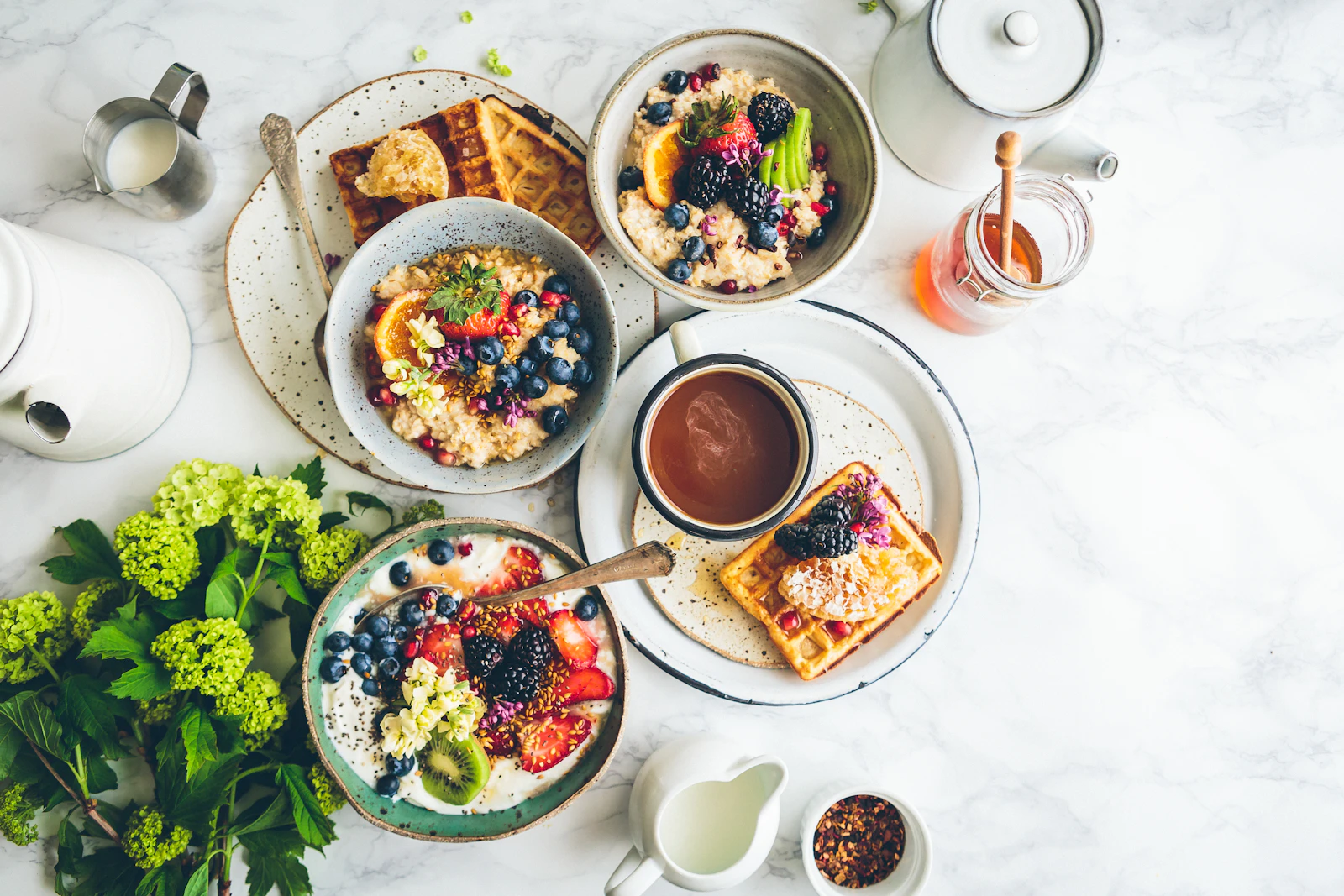
Recipe testing is the phase Egyptian publishers consistently underweight. A recipe in a cookbook needs to work in the home kitchens of readers who do not have access to your tester's specialised equipment. Test every recipe at least three times — once in a controlled studio kitchen, once in a friend's home kitchen, once by a tester who has never made it before. The third test catches the failure modes the author can't see anymore.
Photography on a cookbook divides into three categories: hero shots (one per recipe, full bleed or near it), process shots (technique, intermediate stages, ingredient mises), and chapter-opening shots (location, mood, atmosphere — the connective tissue). Plan all three on day one of the shot list. Most cookbooks short-change the chapter-opening category and end up feeling visually monotonous.
Locations are the single biggest cost decision. A studio cookbook is faster, cheaper and more controlled. A location cookbook is slower, more expensive, and produces a meaningfully better book. There is no third option. We have shot both and the location books always sell more, get reviewed more, and last longer in the market. They also cost roughly forty percent more to make.


Lighting on a long cookbook project is a continuity problem. The reader will turn the page from a Tuesday-afternoon shot to a Saturday-morning shot to a winter-evening shot, and the editor's job is to make those pages feel like they belong in the same book. We address this by establishing a 'book look' in pre-pro — a dominant light direction, a target color temperature, a preferred shadow density — and refusing to deviate from it without a deliberate decision.
The hardest production problem on a cookbook is what we call the 'long-recipe problem.' Some recipes — pickles, ferments, dough proofs — take days or weeks. They will not fit a normal shoot day. The solution is a parallel calendar: the photographer is shooting the fast recipes today while the slow recipes are advancing in jars and bowls in another corner of the kitchen, scheduled to be photographed on the day they peak. This requires a producer. Without one, the long recipes are always missed.
Egyptian printers are now competitive on quality but require careful proofing. We always do a wet proof on the actual paper stock before signing off color. The cookbook on screen is not the cookbook in print, and the difference will surprise even experienced photographers. Budget for two proof rounds.
Distribution is not your problem as a photographer, but the distribution decision will reach back into your work. A cookbook intended for export needs higher resolution masters and a tighter color brief than a domestic-only cookbook. We always confirm the distribution model before locking the masters.
The last thing worth saying — and the thing we wish more publishers would internalise — is that a cookbook is a long-term brand asset, not a campaign. The best cookbooks earn out their production cost over years, not months. Photography that survives that timeline is photography that was patient at every stage of production. That is, in the end, what cookbook production rewards: patience.

Written from the studio by
Magy
Founder & Photographer · Magy Studios
Previous
Pre-production: the real reason shoots succeed
Next
The case for in-camera color over post-production